SMS Marketing for Zimbabwe Businesses: The Complete Guide to Reaching Every Customer

SMS Marketing for Zimbabwe Businesses: The Complete Guide
SMS marketing for Zimbabwe businesses is one of the most underused yet highest-performing digital channels available today. While businesses in Harare and Bulawayo spend thousands on social media ads that reach a fraction of their audience, a simple text message lands directly in the pocket of every customer, smartphone or not.
The numbers tell the story clearly. SMS messages in Zimbabwe achieve open rates above 90%, compared to email open rates that rarely exceed 20%. Most messages are read within three minutes of delivery. For a country where mobile penetration exceeds 90% but smartphone ownership still lags behind, SMS is not just a marketing channel: it is the marketing channel that reaches everyone.
This guide covers everything Zimbabwe businesses need to know about SMS marketing, from choosing the right platform to writing messages that convert, with real examples from businesses across the country that are already seeing results.
Why SMS Marketing Works So Well in Zimbabwe
Zimbabwe's mobile landscape makes SMS marketing uniquely powerful. With over 14 million active SIM cards in a country of roughly 16 million people, mobile phones are the primary communication device for most Zimbabweans. Unlike WhatsApp or Facebook, which require data and smartphones, SMS works on every handset, including the basic feature phones still common in rural areas and among older demographics.
The Connectivity Advantage
Zimbabwe's internet connectivity, while improving, remains inconsistent outside major urban centres. A customer in Gweru or Mutare may have patchy data coverage, but their SMS inbox is always accessible. This makes SMS the only channel that genuinely reaches your entire customer base, not just the connected segment.
High Engagement, Low Competition
Most Zimbabwe businesses have not yet adopted SMS marketing seriously. This means your messages face far less competition than social media posts, where algorithms decide who sees your content. When you send an SMS, it arrives. Full stop.
Cost-Effective Reach
Bulk SMS in Zimbabwe costs between $0.02 and $0.05 per message depending on volume and provider. A campaign reaching 1,000 customers costs $20 to $50. Compare that to Facebook advertising, where reaching 1,000 targeted users in Zimbabwe can cost $5 to $15, with no guarantee of engagement. SMS delivers guaranteed delivery at a fraction of the cost per conversion.
Types of SMS Campaigns That Work for Zimbabwe Businesses
Not all SMS campaigns are created equal. The most successful Zimbabwe businesses use a mix of campaign types depending on their goals.
Promotional Campaigns
Promotional SMS messages announce sales, discounts, and special offers. These work best when they include a clear deadline and a specific call to action.
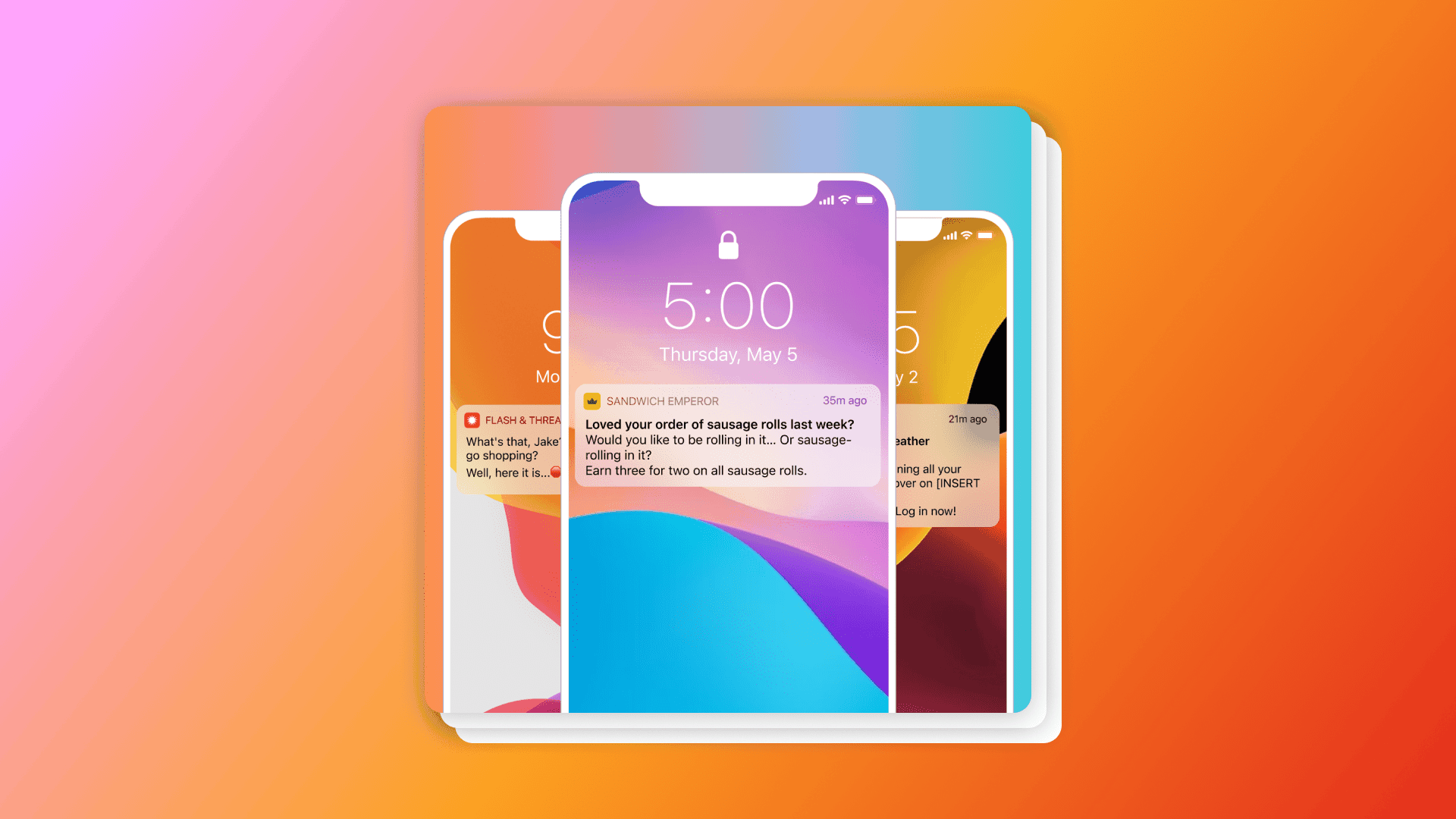
A clothing retailer in Harare's Avondale shopping area sends promotional SMS messages every Friday afternoon: "Hi [Name], 30% off all winter stock this weekend only. Show this SMS in-store. Ends Sunday 6pm. Reply STOP to unsubscribe." Their weekend foot traffic increased by 45% within two months of starting this campaign.
Transactional SMS
Transactional messages confirm orders, appointments, payments, and deliveries. Customers expect these messages and open them immediately. A pharmacy in Bulawayo's Suburbs area sends prescription-ready notifications: "Your prescription is ready for collection at Suburbs Pharmacy. Open Mon-Sat 8am-6pm. Call 0292-XXXXXX for queries." This reduced missed collections by 60% and freed up significant staff time previously spent on phone reminders.
Appointment Reminders
For service businesses, appointment no-shows are a major revenue drain. SMS reminders sent 24 hours and 2 hours before appointments dramatically reduce this problem. A dental practice in Mutare implemented SMS reminders and reduced no-shows from 25% to under 8% within three months, recovering an estimated $800 per month in lost revenue.
Loyalty and Retention Campaigns
Loyalty SMS campaigns reward repeat customers and encourage return visits. A supermarket chain with branches in Harare and Gweru sends birthday messages with a personalised discount code: "Happy Birthday [Name]! Enjoy 15% off your next shop this week. Use code BDAY15 at checkout. Valid until [date]." Their data shows birthday campaign recipients spend 35% more than average customers in the month of their birthday.
Re-engagement Campaigns
Customers who have not purchased in 60 to 90 days are prime targets for re-engagement SMS. A beauty salon in Harare's Borrowdale area sends: "We miss you, [Name]! It's been a while. Book any treatment this month and get a complimentary hand massage. Call 0772-XXXXXX to book." This campaign reactivates approximately 18% of lapsed customers each month.
Setting Up SMS Marketing for Your Zimbabwe Business
Getting started with SMS marketing requires four things: a platform, a sender ID, a contact list, and a strategy.
Choosing an SMS Platform
Several SMS platforms serve Zimbabwe businesses well. Key factors to consider include local network coverage, pricing per message, API availability for app integration, and the quality of reporting and analytics.
Platforms commonly used by Zimbabwe businesses:
- Arkesel: A Ghana-based platform with strong Africa coverage including Zimbabwe. Offers bulk SMS, two-way messaging, and API integration. Pricing starts around $0.03 per message for Zimbabwe networks.
- Bulkgate: International platform with Zimbabwe network support. Good for businesses that also operate regionally.
- Econet Business SMS: Direct integration with Econet's network. Reliable delivery for Econet subscribers, which represent the majority of Zimbabwe's mobile users.
- NetOne Business: Similar direct-network option for NetOne subscribers.
- Telecel Business: For Telecel network coverage.
For most businesses, a third-party platform like Arkesel offers the best combination of features, pricing, and multi-network coverage. Direct carrier solutions work well if your customer base is predominantly on one network.
Registering a Sender ID
A sender ID replaces the generic number with your business name. Instead of receiving a message from "+263772XXXXXX", customers see "FreshMart" or "DrSmith". This dramatically increases open rates and trust.
Registering a sender ID in Zimbabwe requires submitting your business registration documents to your chosen SMS platform. The process typically takes 3 to 7 business days and costs between $10 and $50 as a one-time fee depending on the provider.
Building Your Contact List
Your SMS list is your most valuable marketing asset. Build it ethically by collecting opt-ins at every customer touchpoint.
Effective list-building methods for Zimbabwe businesses:
- Point of sale: Ask customers for their number when they purchase, explaining they will receive exclusive offers and updates.
- In-store signage: "Text JOIN to 0772-XXXXXX to receive exclusive deals."
- Website forms: Include an SMS opt-in field alongside email on contact and checkout forms.
- Social media: Run competitions that require SMS opt-in to enter.
- Loyalty card registration: Make mobile number a required field.
- Referral incentives: Give existing subscribers a discount for referring friends who opt in.
Always get explicit consent before adding anyone to your list. This is both ethical and increasingly important as Zimbabwe's data protection regulations develop.
Segmenting Your List
A single list treated as one audience is a missed opportunity. Segment your contacts by purchase history, location, demographics, and engagement level. A hardware store in Harare can segment by trade (plumbers, electricians, builders) and send relevant product promotions to each group rather than blasting everyone with everything.
Writing SMS Messages That Convert
The 160-character limit of a standard SMS is a constraint that forces clarity. Every word must earn its place.
The Formula for High-Converting SMS
The best-performing SMS messages follow a simple structure:
- Personalisation: Start with the customer's name where possible.
- Value proposition: State the benefit immediately.
- Specificity: Include exact numbers, dates, and details.
- Call to action: Tell them exactly what to do next.
- Opt-out: Always include an unsubscribe option.
Example: "Hi Sarah, your favourite Rooibos tea is back in stock at FreshMart Avondale. Buy 2 get 1 free this week only. Show this SMS at checkout. Reply STOP to opt out."
Timing Your Messages
Timing significantly affects SMS campaign performance. For Zimbabwe businesses, the highest engagement windows are:
- Tuesday to Thursday: Mid-week messages outperform Monday and Friday sends.
- 10am to 12pm: Morning messages catch people before the midday rush.
- 5pm to 7pm: Evening messages reach people after work when they have time to act.
- Avoid: Sunday mornings, late evenings after 8pm, and public holidays unless the message is specifically relevant to the occasion.
Personalisation at Scale
Modern SMS platforms allow dynamic fields that pull customer names and other data into messages automatically. Even basic personalisation (using a customer's first name) increases response rates by 15 to 25% compared to generic messages. If your SMS platform integrates with your business app or CRM, you can personalise based on purchase history, location, and preferences.
Integrating SMS with Your Business App
The most powerful SMS marketing happens when your SMS platform connects directly to your business app or management system. This integration enables automated, triggered messages that respond to customer behaviour in real time.
Trigger-Based SMS Automation
- Order confirmation: Customer places an order in your app, SMS fires automatically with order details and estimated delivery time.
- Payment confirmation: Customer pays via EcoCash or InnBucks, SMS confirms the transaction immediately.
- Low stock alert: Customer has previously purchased a product that is now running low, SMS notifies them before it sells out.
- Abandoned cart: Customer adds items to their cart but does not complete purchase, SMS reminder sent after 2 hours.
- Post-purchase follow-up: 7 days after purchase, SMS asks for feedback and offers a discount on the next order.
A Harare-based online grocery store implemented trigger-based SMS automation through their ZimNinja-built app. Their abandoned cart recovery SMS alone generates an additional $1,200 per month in recovered sales, with a 22% conversion rate on the recovery messages.
Two-Way SMS for Customer Service
Two-way SMS allows customers to reply to your messages and receive automated or human responses. This is particularly valuable for appointment bookings, order queries, and customer support.
A logistics company in Bulawayo uses two-way SMS for delivery tracking: customers text their order number to a dedicated number and receive an automated status update within seconds. This reduced inbound customer service calls by 40% and improved customer satisfaction scores significantly.
Compliance and Best Practices
SMS marketing in Zimbabwe operates within a framework of consumer protection expectations that are becoming more formalised as digital regulations develop.
Essential Compliance Rules
- Always get consent: Never add someone to your list without their explicit permission.
- Always provide opt-out: Every message must include a clear way to unsubscribe (e.g., "Reply STOP to unsubscribe").
- Honour opt-outs immediately: Remove anyone who opts out within 24 hours, ideally instantly.
- Identify your business: Every message must clearly identify who is sending it.
- Respect timing: Do not send messages outside reasonable hours (8am to 8pm).
- Keep records: Maintain records of consent for every contact on your list.
Frequency Guidelines
Sending too many messages is the fastest way to drive opt-outs and damage your brand. For most Zimbabwe businesses, the optimal frequency is:
- Retail: 2 to 4 messages per month
- Restaurants: 1 to 2 messages per week (especially for daily specials)
- Service businesses: As needed for appointments and transactional messages
- Loyalty programmes: 1 to 2 messages per month plus triggered messages
Measuring SMS Marketing Success
Tracking the right metrics tells you what is working and where to improve.
Key Metrics to Track
Delivery rate: The percentage of messages successfully delivered. Should be above 95% for a clean, well-maintained list.
Open rate: SMS open rates are difficult to track directly, but click-through rates on links included in messages serve as a proxy. Use URL shorteners with tracking to measure this.
Conversion rate: The percentage of recipients who take the desired action (visit the store, make a purchase, book an appointment). Track this by asking customers to show the SMS or use a unique promo code.
Opt-out rate: If more than 2% of recipients opt out from a single campaign, the message or timing needs adjustment.
Revenue per message: Total revenue attributable to the campaign divided by the number of messages sent. This is the ultimate measure of SMS marketing ROI.
A clothing boutique in Harare's Sam Levy's Village tracks revenue per message and consistently achieves $0.85 to $1.20 in revenue for every $0.03 message sent, representing a return of 28 to 40 times the campaign cost.
Key Takeaways
- SMS marketing achieves open rates above 90% in Zimbabwe, making it the highest-reach digital marketing channel available to local businesses.
- Bulk SMS costs $0.02 to $0.05 per message, making it one of the most cost-effective ways to reach customers directly.
- Building a permission-based list through ethical opt-in methods is the foundation of successful SMS marketing.
- Integrating SMS with your business app enables powerful automation: order confirmations, abandoned cart recovery, appointment reminders, and personalised offers.
- Always include an opt-out option, respect timing guidelines, and track conversion metrics to continuously improve campaign performance.
Frequently Asked Questions
How much does SMS marketing cost for a Zimbabwe business?
Bulk SMS in Zimbabwe costs between $0.02 and $0.05 per message depending on your provider and volume. A campaign reaching 1,000 customers costs $20 to $50. Most platforms also charge a monthly subscription fee ranging from $10 to $50 for access to their platform and analytics tools. Sender ID registration is typically a one-time fee of $10 to $50.
Which SMS platform is best for Zimbabwe businesses?
The best platform depends on your needs. For multi-network coverage and good API integration, Arkesel is a popular choice among Zimbabwe businesses. For businesses primarily serving Econet subscribers, Econet Business SMS offers direct network reliability. Evaluate platforms based on Zimbabwe network coverage, pricing, API capabilities, and the quality of their reporting dashboard.
Is SMS marketing legal in Zimbabwe?
Yes, SMS marketing is legal in Zimbabwe provided you have obtained consent from recipients, include a clear opt-out mechanism in every message, and identify your business in each message. Zimbabwe's data protection framework is developing, and following international best practices (consent-based marketing, immediate opt-out processing) keeps your business compliant and protects your brand reputation.
How do I build an SMS contact list for my Zimbabwe business?
Build your list through ethical opt-in methods: collect numbers at point of sale with customer consent, use in-store signage inviting customers to text a keyword to opt in, add SMS opt-in fields to your website and app, and run social media competitions that require SMS opt-in. Never purchase contact lists or add people without their explicit permission.
Can I integrate SMS marketing with my existing business app?
Yes. Most SMS platforms offer APIs that allow direct integration with business apps, e-commerce platforms, and CRM systems. This enables automated trigger-based messages such as order confirmations, payment receipts, appointment reminders, and abandoned cart recovery. If your current app does not support SMS integration, ZimNinja Apps can build or upgrade your app to include this functionality.
Related Articles
About ZimNinja Apps Team
ZimNinja Apps is Zimbabwe's leading PWA development company, specializing in affordable, high-performance Progressive Web Apps for small and medium businesses. Based in Bulawayo and serving clients across Zimbabwe, we've helped hundreds of businesses transform their operations through smart digital solutions.