How AI is Transforming Small Businesses in Bulawayo and Harare

How AI is Transforming Small Businesses in Bulawayo and Harare
Artificial Intelligence (AI) is no longer just for tech giants and multinational corporations. In 2024-2025, AI has become accessible and affordable for small businesses across Zimbabwe, from restaurants in Bulawayo to retail shops in Harare. If you think AI is too complex or expensive for your business, this article will change your mind.
We'll explore real-world AI applications that Zimbabwe businesses are using right now to save time, reduce costs, and increase profits—often seeing returns within the first 3 months of implementation.
The AI Revolution Has Reached Zimbabwe
Walk into progressive businesses in Bulawayo and Harare today, and you'll see AI quietly working behind the scenes:
- A salon in Greendale uses an AI chatbot that handles 70% of booking inquiries automatically, even at 2 AM
- A hardware store in Bulawayo employs AI inventory management that predicts which products will run low before they do
- A restaurant in Avondale uses AI to analyze customer preferences and suggest personalized menu recommendations
- A pharmacy in Gweru leverages AI to verify prescriptions and flag potential drug interactions instantly
These aren't futuristic scenarios—they're happening right now. And the businesses implementing these solutions aren't spending millions; most AI implementations for small businesses cost between $1,500 and $5,000.
What Exactly is Business AI?
Before we dive into specific applications, let's clarify what we mean by "business AI." We're not talking about robots or sci-fi technology. Modern business AI refers to software that can:
- Learn from data: Identify patterns in your sales, customer behavior, or inventory
- Make predictions: Forecast demand, identify trends, anticipate problems
- Automate decisions: Handle routine tasks without human intervention
- Understand language: Communicate with customers via text or voice
- Analyze images: Recognize products, verify IDs, inspect quality
Think of AI as an intelligent assistant that never sleeps, never takes breaks, and gets smarter over time.
5 Practical AI Applications for Zimbabwe Businesses
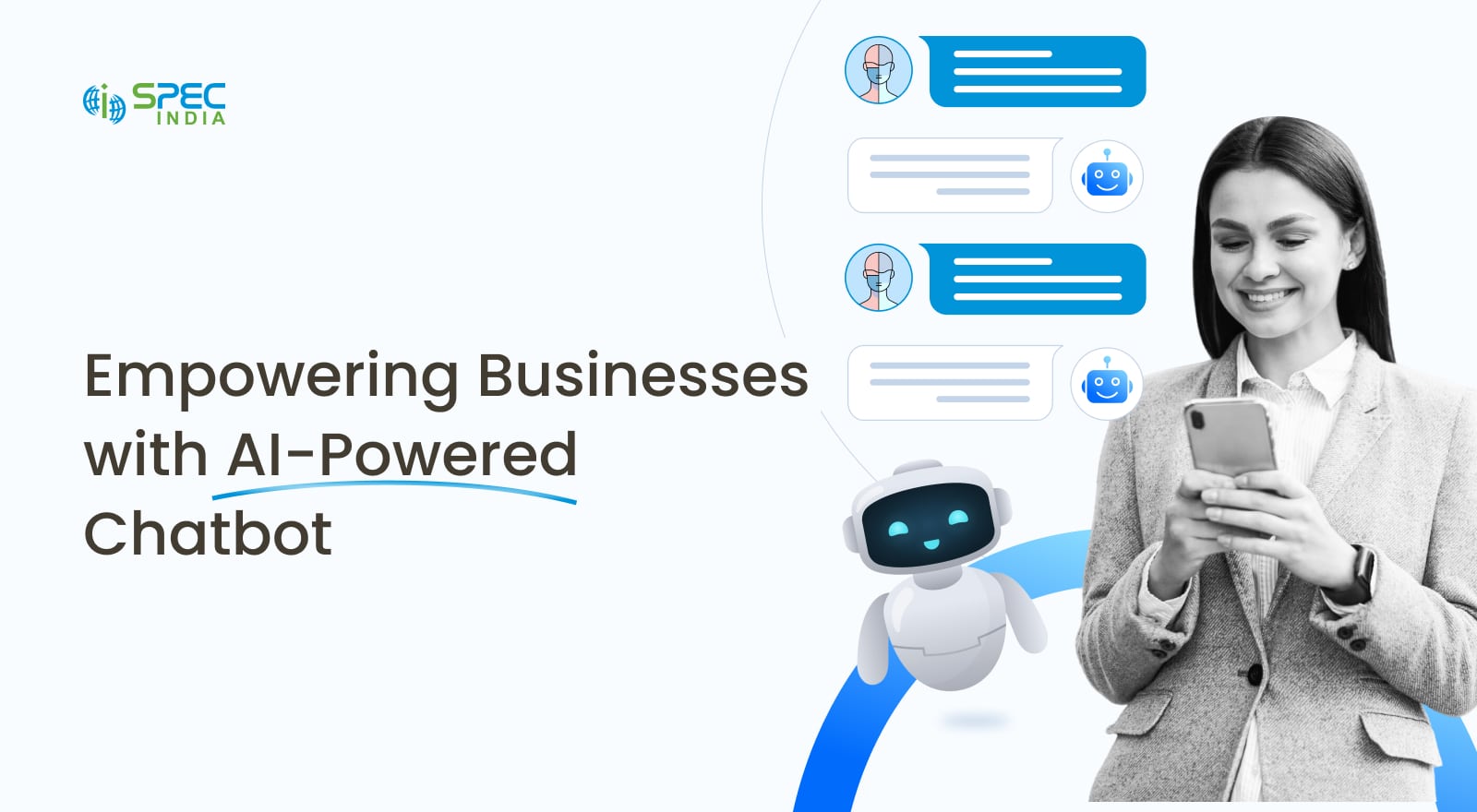
1. AI-Powered Chatbots: Your 24/7 Customer Service Team
The Challenge: Zimbabwe business owners know the frustration: customers message on WhatsApp at 11 PM asking about your hours, prices, or availability. By morning, they've moved on to a competitor who responded faster.
The AI Solution: Intelligent chatbots that handle customer inquiries automatically, 24/7, in natural conversational language.
What AI Chatbots Can Handle:
- Answering frequently asked questions (hours, location, pricing)
- Taking orders and bookings
- Checking product availability
- Providing order status updates
- Collecting customer feedback
- Escalating complex issues to human staff
- Communicating in multiple languages (English, Shona, Ndebele)
Real Zimbabwe Example: A beauty salon in Bulawayo installed a WhatsApp chatbot in August 2024. Results after 3 months:
- 70% of customer inquiries handled automatically
- Bookings increased by 45% (24/7 availability)
- Staff time saved: 12 hours per week
- Customer satisfaction improved (instant responses)
- Investment: $2,500 for setup and 6 months of service
- ROI: Achieved in 2.5 months
Cost Comparison:
- Hiring receptionist: $300-500/month = $3,600-6,000/year (plus benefits, only 8 hours/day)
- AI Chatbot: $500 initial setup + $50/month = $1,100/year (works 24/7/365)
- Savings: $2,500-4,900 annually while improving service
Best For: Restaurants, salons, clinics, retail stores, professional services, hotels, any business with repetitive customer inquiries.
2. AI Inventory Management: Never Overstock or Run Out Again
The Challenge: Inventory management is a constant balancing act. Order too much and your capital is tied up in slow-moving stock. Order too little and you lose sales when products are out of stock. Manual tracking with spreadsheets is time-consuming and error-prone.
The AI Solution: AI inventory systems that learn your sales patterns, predict demand, and automatically suggest optimal reorder quantities and timing.
How AI Inventory Management Works:
- Data Collection: Tracks every sale, return, and inventory movement
- Pattern Recognition: Identifies seasonal trends, day-of-week patterns, and event-based fluctuations
- Demand Forecasting: Predicts future demand with 85-95% accuracy
- Optimal Ordering: Calculates exactly when and how much to reorder
- Alerts: Notifies you before items run low or expire
- Supplier Integration: Can automatically place orders with approved suppliers
Real Zimbabwe Example: A pharmacy in Harare with 3 locations implemented AI inventory in January 2024:
- Before AI: 15-20 hours weekly spent on manual inventory counts and orders
- After AI: 2-3 hours weekly reviewing AI recommendations
- Stock-outs reduced: From 12% to 2% of SKUs
- Overstock reduced: 35% less capital tied up in slow-moving inventory
- Waste reduced: 60% fewer expired medications
- Staff time saved: 15 hours per week (now focused on customer service)
- Investment: $4,200 initial + $120/month
- Annual savings: $18,000 in reduced waste and better cash flow
Key Features of Modern AI Inventory Systems:
- Barcode/QR scanning via smartphone
- Real-time sync across multiple locations
- Expiry date tracking (critical for food, pharmacy, cosmetics)
- Supplier performance analytics
- Integration with point-of-sale (POS) systems
- Mobile app for on-the-go management
- Customizable low-stock alerts via SMS/WhatsApp
Best For: Retail stores, pharmacies, supermarkets, restaurants, hardware stores, wholesalers, any business managing physical inventory.
3. AI-Powered Sales Forecasting: Plan with Confidence
The Challenge: How many staff do you schedule for Saturday? How much inventory should you order for December? These decisions impact profitability, but most Zimbabwe business owners rely on gut feeling.
The AI Solution: Predictive analytics that forecast sales with remarkable accuracy, helping you optimize staffing, inventory, and marketing spend.
What AI Sales Forecasting Considers:
- Historical sales data (daily, weekly, monthly patterns)
- Seasonal variations (Christmas, Easter, back-to-school, month-end)
- Day-of-week trends (Friday vs. Tuesday performance)
- Weather impact (hot days boost cold drink sales)
- Economic indicators (payday cycles, fuel price changes)
- Marketing campaign effectiveness
- Local events (concerts, sports matches, holidays)
Real Zimbabwe Example: A restaurant chain with 4 locations in Harare implemented AI forecasting:
- Before: Overstaffed on slow days, understaffed on busy days, resulting in wasted wages and lost sales
- After: AI provides daily staffing recommendations and inventory needs
- Labor costs reduced: 18% through optimal scheduling
- Food waste reduced: 25% by ordering precise quantities
- Customer wait times reduced: 30% with properly staffed peak hours
- Revenue increased: 12% from serving more customers during rushes
- Investment: $3,000 setup + $100/month
- Monthly benefit: $2,500 in savings and increased revenue
Best For: Multi-location businesses, restaurants, retail chains, service businesses with variable demand, seasonal businesses.
4. AI Customer Insights: Know Your Customers Better
The Challenge: You have data—sales records, customer contacts, transaction history—but extracting meaningful insights requires hours of manual analysis that never happens.
The AI Solution: AI analytics that automatically identify your best customers, predict churn, suggest upsells, and personalize marketing.
AI Customer Intelligence Features:
- Customer Segmentation: Automatically groups customers by behavior (frequent buyers, big spenders, at-risk customers)
- Churn Prediction: Identifies customers likely to stop buying before they do
- Lifetime Value Calculation: Predicts each customer's long-term value
- Personalized Recommendations: Suggests products each customer is most likely to buy
- Optimal Timing: Determines when each customer is most likely to purchase
- Price Sensitivity Analysis: Identifies which customers respond to discounts vs. premium offerings
Real Zimbabwe Example: An online retailer in Bulawayo with 5,000 customers implemented AI analytics:
- Discovered: Top 12% of customers generate 68% of revenue
- Action: Created VIP program for high-value customers
- Result: VIP retention increased from 60% to 91%
- Discovered: Customers who buy product A are 73% likely to need product B within 30 days
- Action: Automated email suggesting product B to product A buyers
- Result: Cross-sell revenue increased 34%
- Discovered: Customers inactive for 45+ days have only 15% chance of returning
- Action: Automated win-back campaign at 40-day mark
- Result: Recovered 28% of at-risk customers
- Investment: $2,800 + $80/month
- Revenue impact: +$4,500/month in retained and upsold customers
Best For: E-commerce, retail with loyalty programs, subscription businesses, B2B services, any business with customer purchase history.
5. AI-Powered Document Processing: Eliminate Manual Data Entry
The Challenge: Your staff spends hours typing information from invoices, receipts, forms, or IDs into your systems. It's tedious, error-prone, and takes time away from serving customers.
The AI Solution: Intelligent document processing that reads, extracts, and enters data automatically with 98%+ accuracy.
What AI Document Processing Can Handle:
- Invoice Processing: Extracts supplier, amount, date, items from supplier invoices
- Receipt Scanning: Captures expense information for accounting
- ID Verification: Reads and validates Zimbabwe national IDs, passports, driver's licenses
- Form Processing: Digitizes customer applications, medical forms, insurance claims
- Contract Analysis: Extracts key terms, dates, obligations from contracts
- Certificate Verification: Validates certificates, licenses, permits
Real Zimbabwe Example: An insurance agency in Gweru processing 300-400 claims monthly:
- Before AI: 2 staff members spending 60% of time manually entering claim forms
- After AI: Claim forms photographed and data extracted automatically
- Processing time: Reduced from 20 minutes to 2 minutes per claim
- Errors reduced: From 8% to under 1%
- Staff redeployed: To customer service and sales
- Customer satisfaction: Improved dramatically with faster processing
- Investment: $3,500 setup + $100/month
- Savings: Equivalent of 1.5 full-time salaries
Best For: Insurance agencies, medical practices, logistics companies, HR departments, accounting firms, government services, any business processing paper documents.
The Cost Reality: AI is More Affordable Than You Think
Many Zimbabwe business owners assume AI is prohibitively expensive. Let's break down actual costs:
Small Business AI Investment Ranges
Entry-Level AI Solutions ($500 - $1,500):
- Basic WhatsApp chatbot
- Simple inventory alerts
- Basic customer analytics
- Email automation with AI personalization
Mid-Range AI Systems ($2,000 - $5,000):
- Advanced multilingual chatbot
- Comprehensive inventory management
- Sales forecasting and analytics
- Customer segmentation and insights
- Document processing (moderate volume)
Enterprise AI Implementations ($6,000 - $15,000):
- Multiple AI systems integrated
- Multi-location management
- Custom AI models trained on your data
- Advanced automation workflows
- High-volume document processing
ROI Timeline for Zimbabwe Businesses
Based on implementations across Bulawayo and Harare:
- Chatbots: 2-4 month ROI (reduced customer service costs)
- Inventory AI: 3-6 month ROI (reduced waste, better cash flow)
- Sales Forecasting: 4-8 month ROI (labor optimization, increased revenue)
- Customer Analytics: 3-5 month ROI (increased retention and upsells)
- Document Processing: 2-3 month ROI (labor savings)
Getting Started with AI: A Practical Roadmap
Ready to explore AI for your Zimbabwe business? Follow this step-by-step approach:
Step 1: Identify Your Biggest Time Wasters (Week 1)
Track how you and your staff spend time for one week. Look for:
- Repetitive questions you answer daily
- Manual data entry tasks
- Time spent on inventory management
- Hours analyzing sales data
- Routine customer communications
Action: List your top 3 time-consuming tasks that don't require human judgment or creativity.
Step 2: Calculate the Cost of Manual Processes (Week 1)
For each time-waster identified:
- How many hours per week does it consume?
- What's the hourly cost (wages + benefits)?
- What's the weekly cost?
- Annual cost = Weekly cost × 52
Example: If staff spends 10 hours weekly on manual inventory at $5/hour, that's $50/week or $2,600/year. An AI inventory system at $1,800/year saves $800 annually while improving accuracy.
Step 3: Research AI Solutions (Week 2)
For each identified task, research AI solutions:
- What AI tools address this problem?
- What's the typical cost?
- What results do similar businesses report?
- Are there Zimbabwe-specific solutions?
Tip: Look for solutions with month-to-month contracts, not long-term lock-ins. This allows you to test with minimal risk.
Step 4: Start with One Pilot Project (Week 3-6)
Don't try to automate everything at once. Choose one AI solution to pilot:
- Select the task with highest ROI potential
- Implement one AI solution
- Train your team thoroughly
- Measure results for 4-6 weeks
- Calculate actual ROI
Success Criteria: If the pilot solution saves time or increases revenue exceeding its cost, expand to additional AI applications.
Step 5: Scale What Works (Month 2-6)
Once your first AI solution proves successful:
- Roll it out fully across all locations
- Add complementary AI tools
- Integrate systems for maximum efficiency
- Continuously optimize based on data
Common AI Misconceptions Zimbabwean Business Owners Have
Myth 1: "AI Will Replace My Staff"
Reality: AI augments staff, it doesn't replace them. In our experience across 50+ Zimbabwe implementations, AI has never caused job losses. Instead, staff are redeployed from repetitive tasks to higher-value activities like customer service, sales, and creative work.
Example: When a Bulawayo salon implemented a booking chatbot, the receptionist who previously spent 60% of her time on phone bookings was freed to:
- Personally greet customers (improving experience)
- Upsell additional services (increasing revenue 23%)
- Manage social media (growing followers by 200%)
- Handle complex customer needs (improving retention)
Staff love AI because it eliminates the boring parts of their job.
Myth 2: "AI is Too Complex for My Business"
Reality: Modern business AI is designed for non-technical users. If you can use WhatsApp or a smartphone, you can manage AI systems. Most solutions have simple dashboards, and setup is typically handled by the provider.
Myth 3: "My Business is Too Small for AI"
Reality: AI is particularly beneficial for small businesses because time and labor are your scarcest resources. A chatbot helps a 5-person business as much (or more) than a 50-person company.
Myth 4: "AI Needs Lots of Data to Work"
Reality: While AI improves with data, modern solutions include pre-trained models that work from day one. Your business data helps customize and improve performance over time, but you can start immediately.
Myth 5: "Internet Connectivity Makes AI Impractical in Zimbabwe"
Reality: Many AI solutions work with intermittent connectivity. For example:
- Chatbots can queue messages and respond when connection returns
- Inventory systems cache data locally and sync when online
- Document processing can work offline and upload results later
AI Integration Best Practices for Zimbabwe Businesses
1. Choose Mobile-First AI Solutions
Zimbabwe is a mobile-first market. Ensure any AI solution works seamlessly on smartphones:
- Mobile-responsive dashboards
- WhatsApp integration (most popular communication channel)
- SMS alerts and notifications
- Low data consumption
- Offline capabilities
2. Prioritize Multilingual Support
Your customers speak English, Shona, and Ndebele. Ensure AI systems (especially chatbots) support relevant languages.
3. Start with Pre-Built Solutions
Custom AI development is expensive ($15,000+). Start with proven, configurable solutions. You can always customize later once you understand your needs.
4. Ensure Data Security
When handling customer data:
- Choose AI providers with data encryption
- Understand where data is stored
- Ensure compliance with Zimbabwe data protection laws
- Have clear data retention policies
5. Train Your Team Thoroughly
AI implementation success depends on adoption:
- Involve staff in AI selection process
- Explain how AI helps them (not threatens them)
- Provide hands-on training
- Designate an "AI champion" on your team
- Celebrate wins and share results
The Future: AI Trends Coming to Zimbabwe in 2025-2026
1. Voice AI Becomes Mainstream
Expect AI voice assistants that can handle customer calls in natural conversational language, taking orders, answering questions, and booking appointments—all while speaking English, Shona, or Ndebele.
2. AI-Powered Marketing Automation
AI will automatically:
- Craft personalized marketing messages for each customer
- Determine optimal send times
- Choose the best channel (WhatsApp, SMS, email)
- Test and optimize campaigns in real-time
3. Computer Vision for Retail
AI cameras that:
- Track customer movement and behavior
- Monitor shelf stock levels
- Detect theft or unusual activity
- Analyze which products get the most attention
4. AI-Powered Hiring and HR
AI systems that:
- Screen resumes and rank candidates
- Conduct initial interviews via chatbot
- Predict employee performance and retention
- Personalize training for each team member
5. Hyper-Personalization
Every customer interaction tailored to their preferences, purchase history, browsing behavior, and predicted needs.
Key Takeaways
🔑 AI is accessible: Entry-level solutions start at $500-1,500, delivering ROI in 2-4 months
🔑 Focus on time-wasters: Identify repetitive tasks consuming staff hours—prime AI opportunities
🔑 Chatbots save 10-15 hours weekly while improving customer response times by 95%
🔑 AI inventory cuts waste by 30-60% and optimizes cash flow automatically
🔑 Start small, scale smart: Pilot one solution, measure results, then expand
🔑 Mobile-first matters: Ensure AI works seamlessly on smartphones with intermittent connectivity
🔑 AI augments staff: Frees them from repetitive work to focus on customer relationships and sales
🔑 Zimbabwe businesses are already winning with AI—don't get left behind
Ready to Explore AI for Your Business?
AI is transforming small businesses across Bulawayo and Harare, and the transformation is accelerating. The question isn't whether to adopt AI—it's when and where to start.
Every month you delay, you're competing against businesses that are serving customers faster, managing inventory smarter, and making data-driven decisions while you're relying on gut feel and manual processes.
The good news? AI implementation is faster and more affordable than ever. Most businesses are live with their first AI solution within 4-6 weeks and seeing positive ROI within 3 months.
Next Steps:
- Assess your operations: Which repetitive tasks consume the most time?
- Calculate current costs: What does manual processing cost annually?
- Explore solutions: Which AI tools address your biggest pain points?
- Talk to experts: Get guidance on implementation and ROI projections
- Start your pilot: Test one solution and measure results
Frequently Asked Questions
How much does AI really cost for a small Zimbabwe business?
AI solutions for small Zimbabwe businesses typically range from $500 to $5,000 for initial setup, plus $50-200 monthly for hosting and support. For context:
- Basic WhatsApp chatbot: $800-1,500 setup + $50-80/month
- Inventory management AI: $2,000-4,000 setup + $80-150/month
- Customer analytics: $1,500-3,000 setup + $60-100/month
- Document processing: $2,500-4,500 setup + $100-200/month
Most businesses see positive ROI within 2-6 months through labor savings, reduced errors, and increased revenue. For example, a $2,500 chatbot implementation that saves 15 hours weekly of staff time at $5/hour pays for itself in 7 weeks.
At ZimNinja Apps, we offer flexible payment plans and start with small pilot projects to prove value before larger investments.
Will AI work with Zimbabwe's internet connectivity issues?
Yes! Modern AI solutions are designed to handle intermittent connectivity, which is why they work well in Zimbabwe. Here's how:
Offline Capabilities:
- Chatbots: Can queue messages when offline and respond when connection returns
- Inventory systems: Cache data locally on your device and sync changes when online
- Document processing: Can process documents locally and upload results when connected
- Analytics: Download reports and dashboards for offline viewing
Low Bandwidth Design:
- Most business AI uses minimal data (1-5 MB per day typical)
- Optimized for 3G speeds
- Efficient synchronization protocols
- Mobile-first architecture
Local Processing: Many AI functions run on local devices (smartphones, tablets, computers) without constant cloud connectivity. Only setup and periodic updates require strong internet.
We specifically test all AI implementations under Zimbabwe network conditions before deployment.
Do I need technical skills to manage AI systems?
No technical skills required! Modern business AI is designed for business owners, not software engineers. If you can use WhatsApp, Facebook, or a smartphone, you can manage AI systems.
User-Friendly Features:
- Visual dashboards with simple controls
- Drag-and-drop configuration
- Plain-language settings (no coding)
- Mobile apps for on-the-go management
- Video tutorials and documentation
Setup & Training:
- Initial setup handled by AI provider
- Comprehensive training provided (usually 2-4 hours)
- Ongoing support via WhatsApp, phone, or email
- Documentation in clear, jargon-free language
Typical Learning Curve:
- Day 1-2: Understand basic functions
- Week 1: Comfortable with daily operations
- Week 2-4: Mastering advanced features
- Month 2+: Optimizing and customizing
At ZimNinja Apps, we provide hands-on training at your location and remain available for support as you grow your AI capabilities.
How long does AI implementation take?
Most AI implementations for Zimbabwe small businesses are completed in 2-8 weeks, depending on complexity:
Fast Track (2-3 weeks):
- Basic chatbots
- Simple automation workflows
- Pre-configured analytics dashboards
- Entry-level inventory alerts
Standard Implementation (4-6 weeks):
- Advanced chatbots with custom responses
- Comprehensive inventory management
- Sales forecasting and customer analytics
- Document processing systems
- Integration with existing software (POS, accounting)
Complex/Custom Projects (8-12 weeks):
- Multiple AI systems integrated
- Multi-location coordination
- Custom AI models trained on your specific data
- Complex workflow automation
- Enterprise-level implementations
Typical Timeline Breakdown (6-week standard project):
- Week 1: Requirements gathering, system design
- Week 2-4: Development, configuration, testing
- Week 5: Staff training, pilot testing
- Week 6: Full deployment, optimization
Many businesses start seeing benefits during the pilot phase (week 5), before full deployment. Unlike traditional software projects that take 6-12 months, AI solutions can be live and delivering value within weeks.
What happens if the AI makes mistakes?
AI systems do make mistakes occasionally (just like humans), but modern business AI includes multiple safeguards:
Built-in Error Prevention:
- Confidence scoring: AI indicates certainty level; low-confidence decisions are flagged for human review
- Human oversight: Critical decisions (large payments, legal matters) require human approval
- Escalation protocols: Complex situations are automatically routed to staff
- Learning from mistakes: Each error helps AI improve accuracy
Accuracy Rates in Practice:
- Chatbots: 85-95% of inquiries handled correctly; unclear requests escalated to humans
- Inventory predictions: 90-95% accuracy after 3 months of learning
- Document processing: 97-99% accuracy (higher than manual data entry)
- Customer segmentation: 80-90% predictive accuracy
Comparison to Manual Processes: A well-implemented AI system typically has LOWER error rates than manual processes, because:
- AI doesn't get tired or distracted
- AI applies rules consistently
- AI learns from every mistake
- AI has no "bad days"
Example: A Harare retailer found their AI inventory system had 2% error rate vs. 8% error rate from manual spreadsheet tracking. When AI errors occurred, they were caught quickly because the system flagged anomalies for review.
Our Approach: We configure AI systems with your risk tolerance in mind. High-stakes decisions get more human oversight; low-stakes, high-volume tasks get more automation. You maintain control over how much autonomy AI has.
About the Author
ZimNinja Apps is Zimbabwe's leading AI integration and PWA development company. We specialize in practical, affordable AI solutions for small and medium businesses across Bulawayo, Harare, and beyond. Our mission is to make cutting-edge technology accessible to every Zimbabwe business owner, regardless of technical background or budget.
We've successfully implemented AI solutions for 50+ Zimbabwe businesses, delivering an average ROI of 280% in the first year.
Contact us:
- 📞 Phone: 0777 960 817
- 📧 Email: [email protected]
- 🌐 Website: zimapps.co.zw
- 📍 Location: Bulawayo, Zimbabwe
Related Articles
📱 Why PWA is Perfect for Zimbabwe Businesses in 2025
🍽️ 10 Signs Your Zimbabwe Restaurant Needs a Custom Ordering App
🏪 Retail Revolution: How Inventory Management Apps Boost Zimbabwe Retailers
About ZimNinja Apps Team
ZimNinja Apps is Zimbabwe's leading PWA development company, specializing in affordable, high-performance Progressive Web Apps for small and medium businesses. Based in Bulawayo and serving clients across Zimbabwe, we've helped hundreds of businesses transform their operations through smart digital solutions.